Skip to content
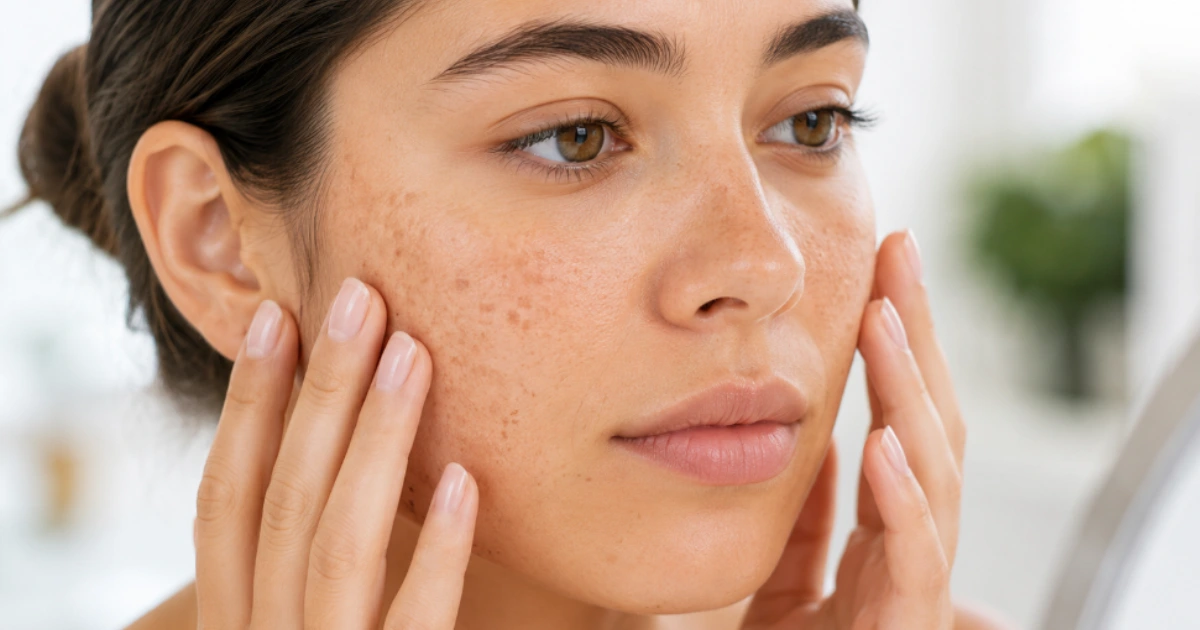
Table of Contents
Sun damage can be frustrating because it often shows up slowly, then suddenly feels hard to ignore. A few freckles may become darker patches, redness may linger longer, and your skin may start to look less even than it used to. That is where IPL PhotoFacial at White Coat Aesthetics in Las Vegas, NV fits in.
How can IPL photofacial for sun damage soften dark spots, redness, and uneven tone?
An IPL photofacial for sun damage uses light energy to target excess pigment and visible redness beneath the skin’s surface. Dark spots may gradually fade, redness can look calmer, & uneven tone may appear smoother over time, helping the complexion look brighter, clearer, & more balanced with daily SPF protection.
What Sun Damage Looks Like On The Skin
Sun damage does not always look the same for everyone. For some people, it appears as brown spots across the cheeks or forehead. For others, it shows up as scattered freckles, age spots, redness, or a blotchy tone that makes the skin look tired.
Common signs may include:
- Brown spots or age spots
- Freckles that have become darker or more noticeable
- Patchy discoloration
- Redness or visible vessels
- A dull, uneven look caused by repeated sun exposure
In Las Vegas, sun exposure is a major concern because the climate makes UV protection especially important year-round. Even with good skincare, years of sun can leave behind pigment changes that topical products may only improve to a limited degree. This improves uneven skin tone, which is where our IPL photofacial for sun damage in Las Vegas may help.
How IPL PhotoFacial Targets Sun Damage
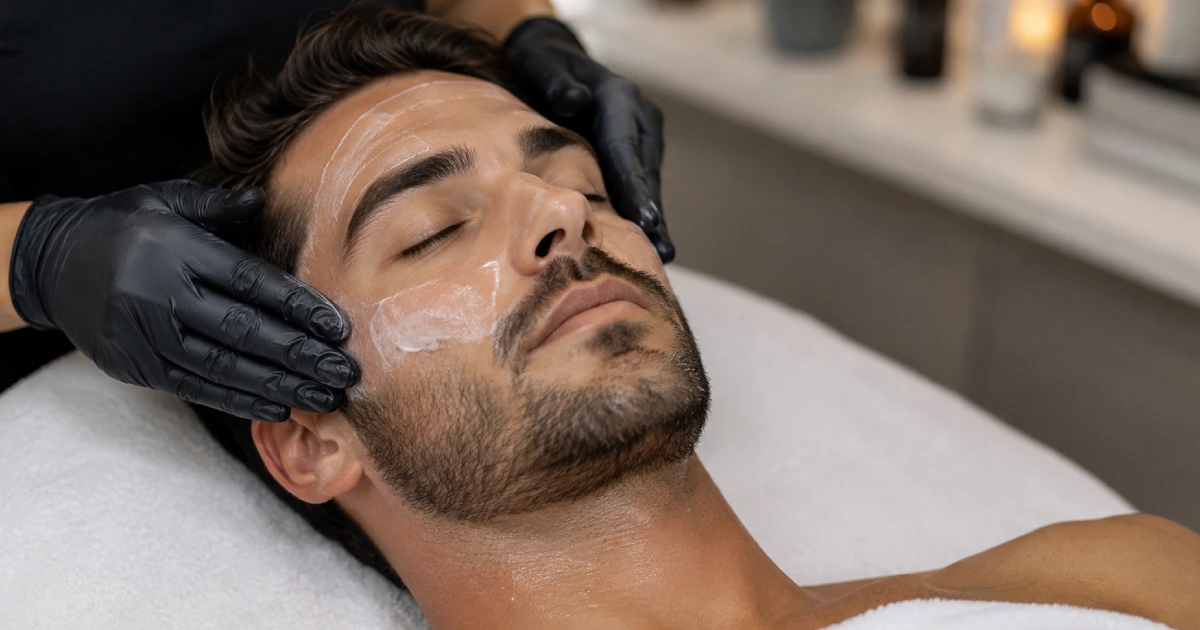
An IPL photofacial treatment uses intense pulsed light to deliver broad-spectrum light energy into the skin. Instead of removing the entire skin surface layer, IPL targets specific color concerns beneath the surface, including excess brown pigment and some visible redness.
When light energy reaches a darker pigment, the pigment absorbs that energy. After treatment, some spots may look darker at first. This can be a normal part of the clearing process as treated pigment gradually rises, flakes, or fades.
IPL can also address some redness and visible vascular changes by targeting unwanted red or purple tones in the skin. At White Coat Aesthetics, IPL PhotoFacial is used to address skin concerns such as sun damage, hyperpigmentation, redness, rosacea-like flushing, vascular lesions, acne scars, fine lines, and signs of aging.
Because IPL is non-invasive and non-ablative, it does not resurface the full skin surface the way more intensive procedures do. Instead, it focuses light energy on selected pigmentation irregularities & visible tone concerns.
Why IPL Helps Restore A More Even Skin Tone
Uneven skin tone often comes from contrast. A dark spot next to lighter surrounding skin looks more noticeable. Redness across the nose or cheeks can make the complexion look blotchy. Scattered brown pigmentation can make skin appear dull, even when the skin itself is healthy.
IPL for hyperpigmentation helps minimize that contrast by breaking up visible discoloration over time. As treated pigment fades, the surrounding skin can look more consistent. IPL may also reduce redness, helping the skin look calmer and less patchy.
This is also why many people choose light therapy for skin rejuvenation when they want a brighter look without a more aggressive resurfacing treatment. The changes usually build gradually, which can feel reassuring if you want a natural-looking improvement.
IPL may also support collagen stimulation, which can contribute to a smoother-looking texture & a firmer, refreshed appearance over time. Results vary, but the overall goal is clearer, more balanced skin.
What Skin Concerns Can IPL PhotoFacial Improve
IPL is often chosen for visible sun-related discoloration and uneven tone. At White Coat Aesthetics, IPL PhotoFacial may be used on the cheeks, nose, forehead, chin, and neck. They also offer IPL Spot Treatment for more focused areas, such as a few sunspots or spider veins, and IPL PhotoFacial Body for areas like the chest, back, shoulders, arms, legs, hands, and more.
Concerns IPL may help improve include:
- Sun spots and age spots
- Freckles and scattered brown pigmentation
- Redness and visible broken capillaries
- Mild dullness linked to photoaging
- Uneven tone on the face, neck, chest, hands, or body
For someone trying to reduce sun damage on the face, IPL can be a helpful option because it treats both brown pigment and certain red tones. This collagen-stimulation IPL makes it especially useful when sun damage is not just a single spot but a mix of discoloration, redness, and dullness.
What To Expect As Sun Damage Fades After IPL
One of the most important things to know is that IPL results are not always instant. After treatment, dark spots may temporarily look deeper, almost like tiny coffee grounds on the skin. This can be part of the process as the treated pigment moves toward the surface and gradually clears.
Over the next several days to weeks, the skin may begin to look brighter & more even. Some people notice improvement after one treatment, while others need a series of sessions, especially when sun damage is more stubborn or widespread.
With each properly spaced treatment, the skin may continue to look clearer. Still, results are based on your skin condition, treatment plan, sun exposure, skincare routine, and how your skin responds. IPL can make a meaningful difference, but it is not a permanent shield against future sun damage.
Who May Be A Good Candidate For IPL PhotoFacial
A good candidate for IPL often has visible sun spots, age spots, redness, freckles, or uneven pigmentation. If your main concern is that your skin looks blotchy or less clear because of past sun exposure, IPL for age spots and pigmentation may be worth discussing.
Skin tone, tanning history, & recent sun exposure matter. IPL is not usually recommended on recently tanned or sunburned skin because this can increase the risk of irritation or pigment changes. Some deeper pigmentation concerns, melasma-prone skin, or certain skin tones may need a different approach.
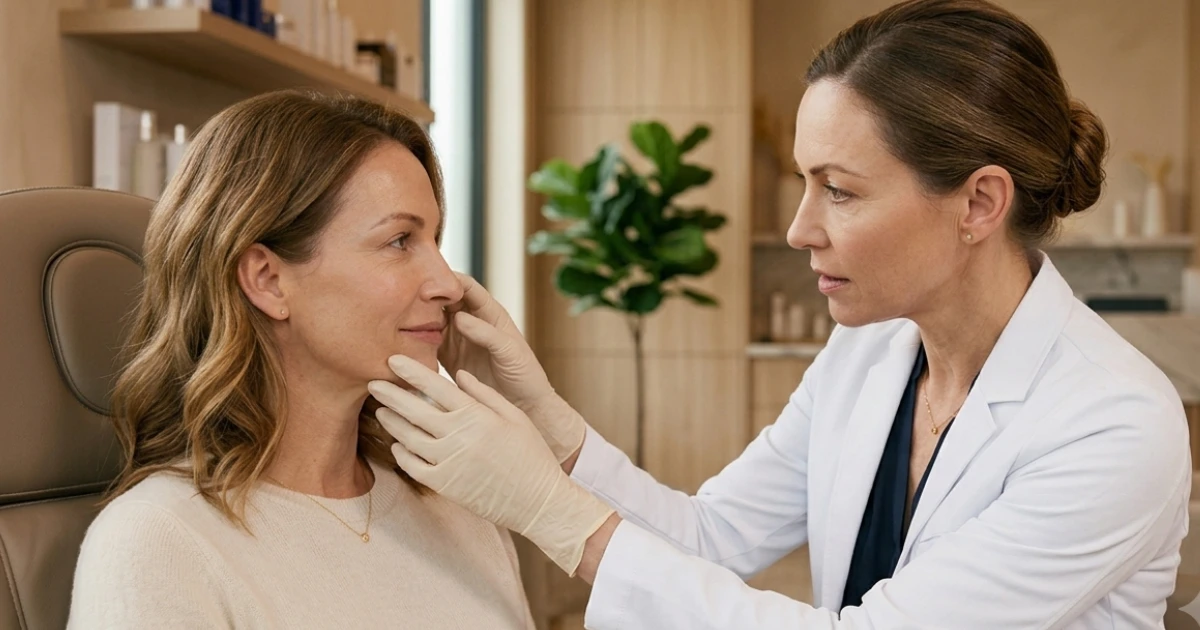
A consultation at White Coat Aesthetics helps determine if IPL is appropriate for your skin. This is the best time to talk through your goals, current skincare, sun habits, and any history of pigmentation issues.
How To Protect Results After IPL
Protecting your skin after IPL is just as important as the treatment itself. Once discoloration improves, unprotected sun exposure can cause pigment to return or new spots to form.
Daily SPF is essential. It is also important to avoid direct sun exposure before and after treatment, follow aftercare instructions, and be honest about recent tanning or sunburns during your consultation.
To help preserve your results, you may need:
- Daily broad-spectrum sunscreen
- Hats or shade during strong sun exposure
- A gentle skincare routine after treatment
- Maintenance IPL sessions when recommended
Glow Up Your Skin
White Coat Aesthetics offers IPL PhotoFacial treatments designed to help soften sun spots, redness, and uneven pigmentation with a thoughtful, skin-focused approach. Book your IPL PhotoFacial consultation at White Coat Aesthetics in Las Vegas, NV, today!